GeelTech, Wakalat Street, Amman





Mobile App Development Roadmap 2026: From Idea to Launch
If you searched for a mobile app development roadmap, you’re probably not looking for theory—you want a practical, step-by-step plan that takes your app from idea to launch.
Whether you're building a marketplace, booking platform, delivery app, SaaS product, or enterprise solution, the development process follows the same fundamental stages: validation, planning, design, development, testing, launch, and growth.
This updated roadmap explains exactly what to do at every stage, which technologies are relevant in 2026, and how to avoid the mistakes that cause many mobile applications to fail before reaching product-market fit.
Table of Contents
-
Roadmap at a Glance (Timeline)
-
Step 1: Validate Your App Idea
-
Step 2: Define MVP vs Full Product
-
Step 3: UI/UX Design That Improves Retention
-
Step 4: Choose the Right Tech Stack
-
Step 5: Architecture, Backend & Database Planning
-
Step 6: Development Plan
-
Step 7: Testing, Security & Performance
-
Step 8: Launch on App Store & Google Play
-
Step 9: Post-Launch Growth
-
Mobile App Development Cost in 2026
-
Mobile App Development Roadmap Checklist
-
Common Mistakes in Mobile App Development
-
FAQ
-
Conclusion
Roadmap at a Glance (Timeline)
| Stage | Timeline | Deliverables |
|---|---|---|
| Validation | Week 1–2 | Market research, user interviews |
| MVP Planning | Week 2 | Feature prioritization |
| UI/UX Design | Week 2–4 | Wireframes and prototype |
| Architecture Planning | Week 3–4 | Backend and database design |
| Development | Week 4–10 | Frontend and backend implementation |
| Testing | Week 8–12 | QA, performance, security |
| Launch | Week 12+ | Store deployment |
| Growth | Ongoing | Analytics and iteration |
Tip: Build an MVP first. Real users will tell you which features deserve investment.
Step 1: Validate Your App Idea (Before Any Code)
Most mobile apps fail because development begins before validation.
Before spending money on development, answer four questions:
Who is your target user?
Clearly define:
-
Demographics
-
Location
-
User behavior
-
Technical skill level
What problem are you solving?
Strong products solve clear pain points.
Weak products add features without solving meaningful problems.
What is the core action?
Examples:
-
Book an appointment
-
Place an order
-
Request a service
-
Complete a payment
How will you monetize?
Common models include:
-
Subscription
-
Commission
-
Advertising
-
Marketplace fees
-
One-time purchases
Validation Checklist
-
Conduct 10–20 interviews
-
Analyze competitors
-
Create a landing page
-
Build a waiting list
-
Test pricing assumptions
Step 2: Define MVP vs Full Product
One of the biggest mistakes founders make is building the final version first.
What Is an MVP?
A Minimum Viable Product is the smallest version of your app that delivers real value to users.
The goal is learning, not perfection.
MVP Examples
Delivery App
Include:
-
User registration
-
Ordering
-
Driver assignment
-
Basic tracking
Exclude:
-
Loyalty programs
-
AI recommendations
-
Advanced analytics
Booking App
Include:
-
Calendar
-
Booking flow
-
Confirmation notifications
Exclude:
-
CRM automation
-
Advanced reporting
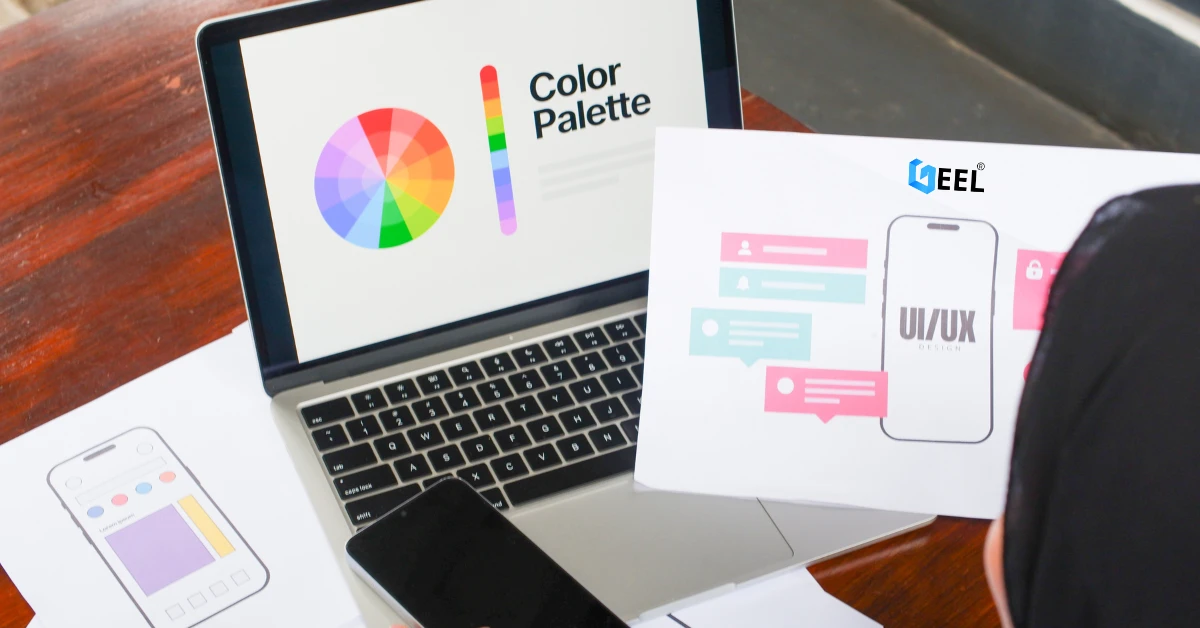
Step 3: UI/UX Design That Improves Retention
User experience directly impacts retention and conversion rates.
Mobile-First Navigation
Users should complete key actions with minimal effort.
Onboarding Experience
Avoid:
-
Long forms
-
Immediate permission requests
-
Too many setup screens
Accessibility Standards
Include:
-
Readable typography
-
High contrast
-
Large touch targets
-
Clear call-to-action buttons
Deliverables Before Development
Every project should have:
-
User flows
-
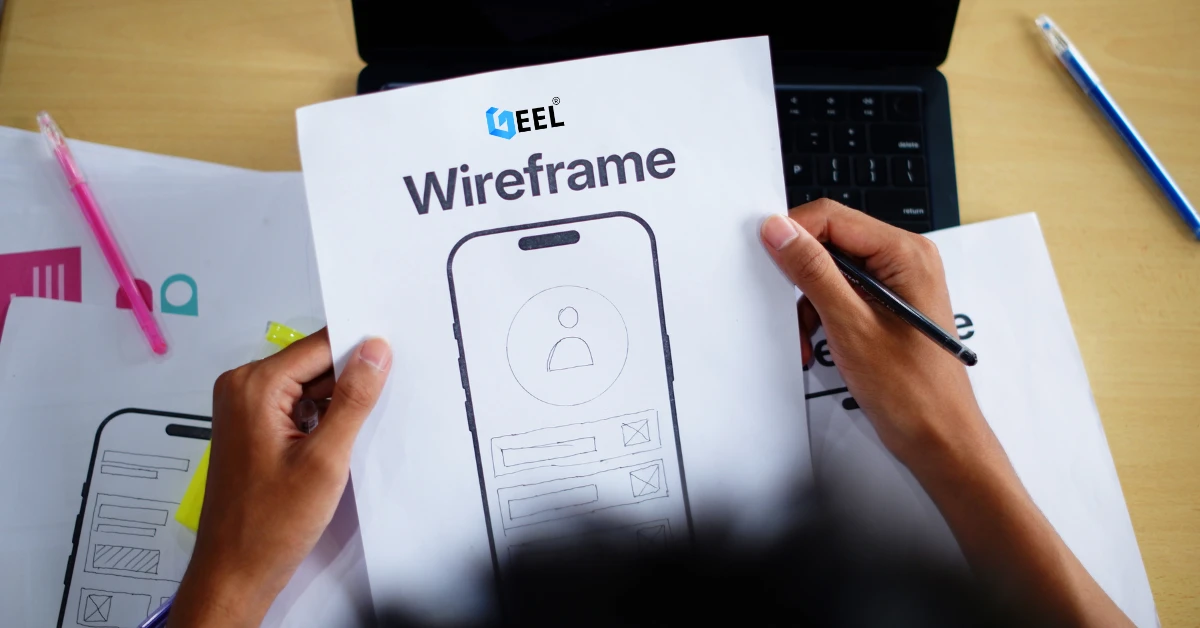
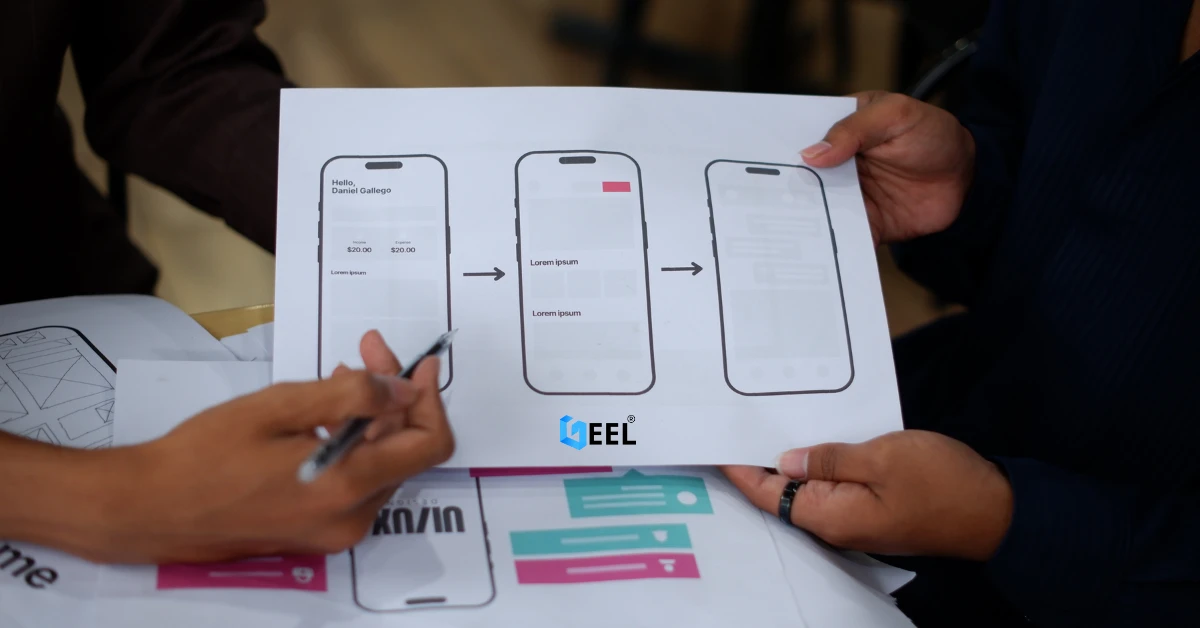
Wireframes
-
Interactive prototype
-
Design system
-
UI kit
Figma remains one of the most widely used tools for UI/UX design.
Step 4: Choose the Right Tech Stack (2026 Update)
Selecting the wrong technology can increase costs and delay launches.
Flutter
Best for:
-
MVPs
-
Marketplaces
-
Booking apps
-
E-commerce
Advantages:
-
Single codebase
-
Faster development
-
Consistent UI
React Native
Best for:
-
Fast-moving products
-
JavaScript teams
Advantages:
-
Large ecosystem
-
Strong community support
Native Development
Swift (iOS)
Kotlin (Android)
Best for:
-
Performance-critical apps
-
Deep device integrations
-
Enterprise applications
Backend Technologies
Popular choices include:
-
Node.js
-
Python
-
Laravel
-
.NET
AI Tools Developers Use in 2026
AI is now part of the development workflow.
Popular tools include:
-
GitHub Copilot
-
AI code review tools
-
Automated documentation assistants
-
AI-powered test generation
AI improves productivity but cannot replace architecture planning, testing, or product strategy.
Step 5: Architecture, Backend & Database Planning
Good architecture prevents expensive rewrites later.
Authentication
Options include:
-
Email login
-
Phone OTP
-
Google login
-
Apple login
-
SSO
Database Selection
Relational Databases
Examples:
-
PostgreSQL
-
MySQL
Best for:
-
Transactions
-
Structured data
NoSQL Databases
Examples:
-
MongoDB
Best for:
-
Flexible schemas
-
Rapid iteration
Infrastructure Planning
Consider:
-
File storage
-
CDN
-
Backups
-
Monitoring
-
Logging
Push Notifications
Push notifications are commonly managed using Firebase and Apple Push Notification Services.
They are useful for order updates, booking reminders, delivery tracking, account alerts, and re-engagement campaigns.
Admin Dashboard
An admin panel is not optional.
It enables:
-
User management
-
Order management
-
Content moderation
-
Support workflows
Step 6: Development Plan (Sprints, Milestones, QA)
Sprint 1
-
Authentication
-
Navigation
-
Core database models
Sprint 2
-
Core business functionality
-
API integration
Sprint 3
-
Notifications
-
Admin dashboard
Sprint 4
-
Payments
-
Reporting
-
Edge cases
Sprint 5
-
Optimization
-
QA
-
Launch preparation
Definition of Done
Every feature should be:
-
Implemented
-
Tested
-
Tracked with analytics
-
Security reviewed
-
Performance validated
Step 7: Testing, Security, and Performance
Testing Types
Unit Testing
Validates business logic.
Integration Testing
Validates API communication.
Regression Testing
Prevents updates from breaking existing functionality.
Real Device Testing
Always test on physical devices.
Security Essentials
-
Encrypted sensitive data
-
Secure authentication
-
Role-based access control
-
API rate limiting
-
Monitoring and alerts
Performance Expectations in 2026
Users expect:
-
Fast startup times
-
Smooth navigation
-
Fast API responses
-
Minimal crashes
Step 8: Launch on App Store & Google Play (ASO + Compliance)
Launch Checklist
-
Privacy Policy
-
Terms of Service
-
Store screenshots
-
Optimized title and description
-
Proper permissions
-
Crash-free build
Review the official App Store Review Guidelines before submission.
Ensure compliance with Google Play policies to avoid delays or rejection during the review process.
App Store Optimization (ASO)
Focus on:
-
App title
-
Keywords
-
Screenshots
-
Ratings and reviews
-
Retention signals
Step 9: Post-Launch Growth (Analytics, Iteration, Scaling)
Launch is only the beginning.
Track These KPIs
Activation Rate
How many users complete onboarding?
Retention
-
Day 1
-
Day 7
-
Day 30
Conversion Rate
Purchases, bookings, or completed transactions.
Crash Rate
Technical health of the application.
Growth Loop
-
Release updates every 2–4 weeks
-
Improve onboarding
-
Analyze user behavior
-
Optimize conversion funnels
Mobile App Development Cost in 2026
Cost depends on:
-
Features
-
Platforms
-
Integrations
-
Security requirements
-
Team size
| App Type | Complexity |
|---|---|
| MVP | Low–Medium |
| Booking App | Medium |
| Marketplace | Medium–High |
| Delivery App | High |
| Fintech App | Very High |
The earlier you define scope, the more predictable your budget becomes.
Mobile App Development Roadmap Checklist
Before launch, ensure you have completed the following:
Product
-
Problem validated
-
User interviews completed
-
Monetization model defined
Design
-
User flows completed
-
Wireframes approved
-
Prototype tested
Development
-
MVP features completed
-
Analytics implemented
-
Admin panel ready
Quality
-
QA completed
-
Security reviewed
-
Performance optimized
Launch
-
Store assets prepared
-
Privacy policy published
-
ASO completed
Common Mistakes in Mobile App Development (2026)
-
Building too many features before validation
-
Ignoring UI/UX
-
Weak testing practices
-
No analytics implementation
-
Overcomplicated architecture
-
Missing admin panel
-
Poor onboarding experience
-
Compliance and privacy issues
-
No post-launch roadmap
FAQ
How long does it take to build a mobile app in 2026?
A focused MVP usually takes between 6 and 12 weeks depending on complexity.
Should I choose Flutter or Native?
Flutter is often ideal for MVPs and startups. Native development is better for highly complex applications requiring deep operating system integration.
Do I need UI/UX before development?
Yes. Proper design reduces rework, improves user experience, and accelerates development.
What is a mobile app development roadmap?
It is a structured process that guides a product from idea validation to launch and scaling.
How much does app development cost?
Costs vary depending on scope, features, integrations, and technology choices.
What is the most important stage?
Validation. Building the wrong product efficiently still leads to failure.
Conclusion
Building a successful mobile application is not about adding more features—it's about following the right process at the right time.
This mobile app development roadmap provides a practical framework for turning an idea into a scalable product. By validating your concept early, defining a focused MVP, investing in user experience, selecting the right technology stack, and prioritizing testing and security, you can significantly reduce development risks and accelerate time-to-market.
Remember that launch is only the beginning. The most successful mobile applications continuously improve through user feedback, analytics, performance optimization, and regular updates.
Whether you're building a startup MVP, marketplace, booking platform, or enterprise solution, a structured roadmap helps ensure every stage of development is aligned with business goals and user needs.
The key principle is simple:
Build small. Learn fast. Improve continuously.
Need a Custom Mobile App Development Roadmap?
Every product has unique requirements.
If you're planning to build a mobile application and need guidance on features, architecture, timeline, technology selection, or budget estimation, our Mobile App Development Services team can help create a roadmap tailored to your business goals.
Many organizations partner with a software development company to accelerate delivery, reduce technical risks, and ensure their product is built on a scalable foundation from day one.