


 GeelTech, Wakalat Street, Amman

Small Business Web Design Services in Jordan & GCC: A Practical Guide explains what services small businesses actually need, how to choose the right web design partner, and which features matter most for conversions, speed, and mobile usability—without turning the page into a sales pitch.
What you’ll learn in this guide
-
The main types of web design services for small businesses
-
CMS options and when you need one
-
E-commerce essentials and payment considerations
-
SEO basics that should be included from day one
-
A partner selection checklist (to avoid costly mistakes)
-
Website feature checklist + common mistakes + FAQ
Why a website is essential for small businesses
A website is your digital storefront: it introduces your business, shows products/services clearly, answers common questions, and gives customers an easy way to contact you or buy. For many small businesses, the website becomes the most reliable channel for leads, bookings, and credibility—especially when customers search on mobile.
Types of small business web design services (what to expect)
Website design and development (new build)
This includes building a website from scratch:
-
visual layout and brand styling
-
page structure (Home, About, Services, Contact, etc.)
-
forms, CTAs, maps, and basic integrations
-
mobile responsiveness and basic performance optimization
Website redesign (refresh or rebuild)
For older websites, redesign services can include:
-
updating UI and improving navigation
-
improving mobile experience and page speed
-
restructuring content for clearer conversion paths
-
fixing technical SEO issues (redirects, headings, metadata)
CMS setup (content management system)
A CMS lets you update content without coding.
-
publish blog posts
-
edit services and pages
-
update photos, FAQs, and announcements
Common approaches include WordPress or other builders depending on needs and maintenance preference.
Landing pages (campaign-focused pages)
Landing pages are designed for one action:
-
request a quote
-
book an appointment
-
buy a product
-
register for a program
They usually perform better than sending ads to a generic homepage.
E-commerce website development
If you sell products online, e-commerce services typically include:
-
product listing and categories
-
cart and checkout
-
secure payment integration
-
shipping rules or pickup options
-
inventory and basic order management
SEO foundations (often bundled or offered separately)
Even if full SEO isn’t included, every site should have:
-
clean page structure (H1/H2)
-
good titles and meta descriptions
-
fast mobile pages
-
indexable pages and clean URLs
-
internal linking between related pages
What to consider when choosing a web design partner
Experience and portfolio fit
-
Do they have examples similar to your business type?
-
Do their sites look clean, readable, and mobile-first?
Clarity of scope and deliverables
Ask what you’ll receive:
-
number of pages
-
design prototype or not
-
CMS training
-
performance targets
-
post-launch fixes window
Communication and project management
-
one clear point of contact
-
clear timeline with milestones
-
regular updates and review cycles
Ongoing support and maintenance
Small businesses often need:
-
backups and updates
-
security monitoring
-
content updates (optional)
-
small improvements after launch
Key features your small business website should include
Mobile-friendly design (non-negotiable)
-
readable text without zoom
-
easy tap targets
-
fast loading on mobile networks
Clear navigation
-
simple menu
-
“Services” easy to find
-
contact always accessible
Strong content and visuals
-
clear service descriptions
-
high-quality images (compressed for speed)
-
trust elements (reviews, case studies, certifications if available)
Clear CTAs
Every important page should guide the user:
-
call / WhatsApp
-
request a quote
-
book a visit
-
buy now
Use one main CTA per page to reduce confusion.
Speed and performance
-
compressed images
-
optimized scripts
-
caching where applicable
A slow website loses visitors quickly.
Basic tracking (so you can improve)
-
analytics setup
-
conversion tracking for forms/WhatsApp/calls (when possible)
Common mistakes (and how to avoid them)
-
Building too many pages with thin content → fewer high-quality pages work better
-
Ignoring mobile layout → most users arrive from phones
-
Long forms → keep only essential fields
-
Heavy images and sliders → slow down the site
-
No clear CTA → users don’t know what to do next
-
No maintenance plan → the site becomes outdated and vulnerable
FAQ
How many pages does a small business website need?
Often 4–7 pages are enough: Home, About, Services, Contact, and optional FAQ/Blog/Portfolio.
Do I need a CMS?
If you plan to update content regularly (blogs, services, announcements), yes. If the site is mostly static, you may not need one.
Should I start with e-commerce immediately?
Only if online sales are core to your business. Otherwise, start with lead generation and add e-commerce later.
What matters more: design or content?
Both matter, but clear content + fast mobile experience usually drive conversions more than fancy visuals.
Conclusion
Small business web design services are most effective when they focus on mobile-first usability, clear conversion paths, speed, and simple content management. Start with the essentials, measure results, then improve gradually.
Learn more on our Website Design & Development service page: Website Design & Development in Jordan & GCC
Our News

Yalla Tahadi App: A Unique Jordanian Experience of Fun and Brain Challenges
20.May.2025
Accounting & Auditing Website Guide in Jordan: What Your Firm Needs to Win Trust & Leads
14.Apr.2025
Travel & Tourism Booking Website Guide (Jordan): What You Actually Need to Get Bookings
14.Apr.2025
Construction Company Website Guide in Jordan: What to Include to Win More Projects
13.Apr.2025
Training Center & Private School Website Guide in Jordan: What to Include for Trust and Enrollments
13.Apr.2025
Engineering Office Website Guide in Jordan: What to Include for Trust and Project Leads
13.Apr.2025
Beauty Salon Website Guide in Jordan: What to Include for Bookings and Trust
13.Apr.2025
Lawyer Website Guide in Jordan & GCC: What to Include for Trust and Consultations
11.Apr.2025
Geel Tech’s Methodology for Managing Large-Scale Tech Projects in Jordan & GCC
05.Apr.2025
How to Choose a Domain + Set Up Professional Email in Jordan
20.Mar.2025
How to Create a Google Business Profile in Jordan: A Step-by-Step Guide for Better Visibility
20.Mar.2025
Payment Gateway Selection Guide in Jordan & GCC: Requirements, Fees, and Integration Steps
19.Mar.2025
Geel Tech Prepares for Expansion into Saudi Arabia: A Strategic Step Towards a Tech-Driven Future
17.Mar.2025
The Future of Jobs: Which Roles Are Changing Fast and How to Adapt
15.Mar.2025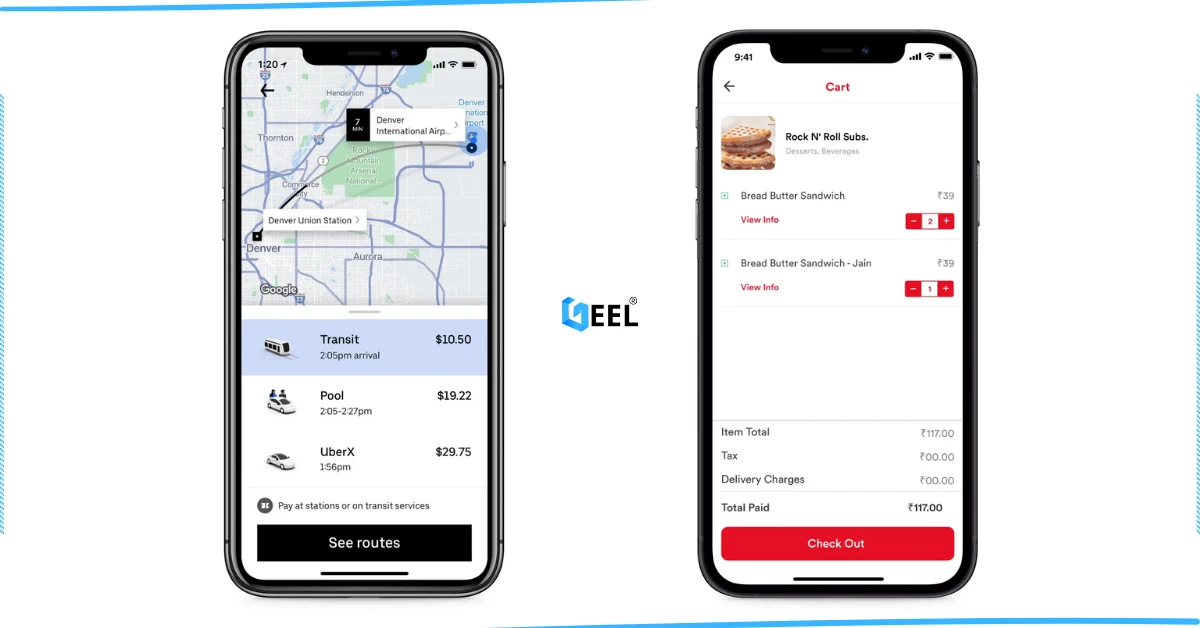
How to Create an App Similar to Uber or Talabat: A Practical Guide
01.Mar.2025
AI Use Cases for Jordanian Businesses (Automation, Analytics, Security) + Implementation Checklist
27.Feb.2025
Programming for Beginners in Jordan: A Comprehensive Guide to Roadmaps, Careers, and Future-Proof Benefits
04.Nov.2024
PHP Development in Jordan & GCC: Why It Still Powers Modern Websites and Business Systems
04.Nov.2024
Network Security and Compliance Solutions: A Practical Guide for Jordan & GCC Businesses
04.Nov.2024
How to Create a Restaurant Ordering System in Jordan & GCC (QR Menu + Online Payments)
04.Nov.2024
3 Types of Customer Relationship Management Software in Jordan & GCC
04.Nov.2024
Benefits of ERP Solutions in Jordan & GCC: A Practical Guide
04.Nov.2024
Wireless Network Infrastructure Specialist: Positions and Obligations
04.Nov.2024
Mobile App Developers in Jordan: What They Do and How to Work With Them
03.Nov.2024
How AI Is Transforming the World: A Practical Guide
25.Sep.2024
Artificial Intelligence and the Future of Humans: Opportunities, Challenges, and Impact
25.Sep.2024
3 Ways Artificial Intelligence Is Already Changing the World
25.Sep.2024
How to Create a Website for Free (and When It Stops Being Free)
25.Sep.2024
Mobile Development in Jordan & GCC: Ecosystem, Telecom Evolution, and App Launch Checklist
25.Sep.2024
Computer Science Technology: Definition, Key Fields, and Real-World Uses
25.Sep.2024
Computer Systems Analyst: Role, Skills, and Deliverables
25.Sep.2024
Computer Information Systems Administration (MIS): Practical Guide in Jordan & GCC
25.Sep.2024
Design of Gaming Applications: A Practical Guide in Jordan & GCC
17.Sep.2024
Educational Electronic Game Design: A Practical Guide in Jordan & GCC
05.Sep.2024
Mobile App Development Roadmap 2026: 9-Step Plan to Build and Launch an App
05.Sep.2024
Best Programming Language for E-commerce Websites (2026 Guide)
05.Sep.2024
Website Redesign Examples: What Changes and Why It Works
05.Sep.2024
Mobile-Friendly Website Design: SEO Impact, and Best Practices
28.Aug.2024
Custom Mobile App Development in Jordan & GCC: Business Benefits Checklist
27.Aug.2024
What Leading Mobile App Development Companies Aim to Achieve
24.Aug.2024