


 GeelTech, Wakalat Street, Amman

What Leading Mobile App Development Companies Aim to Achieve is a practical guide to the real outcomes top teams focus on when building mobile apps—so businesses in Jordan and the GCC can evaluate projects and partners based on measurable results, not buzzwords.
The real goals (what “leading” teams optimize for)
Deliver real user value
-
Solve a clear problem (order, book, pay, track, manage, learn)
-
Reduce steps and friction in the main flow
-
Build features people actually use (not “nice-to-have” screens)
Reliability and performance
-
Fast loading and smooth navigation
-
Stable behavior under weak networks and peak usage
-
Fewer crashes and fewer “stuck” states
Security and privacy by design
-
Secure authentication and safe session handling
-
Role-based access (especially for admin/staff apps)
-
Secure APIs, validation, and audit logs where needed
Scalability (without rewriting everything)
-
Clean architecture that supports future modules
-
Backend and database designed for growth
-
Ability to add branches, roles, and features as the business expands in Jordan & GCC markets
Maintainability (so the app survives long-term)
-
Clean codebase, clear documentation, consistent components
-
Test coverage and release discipline
-
Planned updates for OS changes, dependencies, and security patches
What the delivery process should look like (end-to-end)
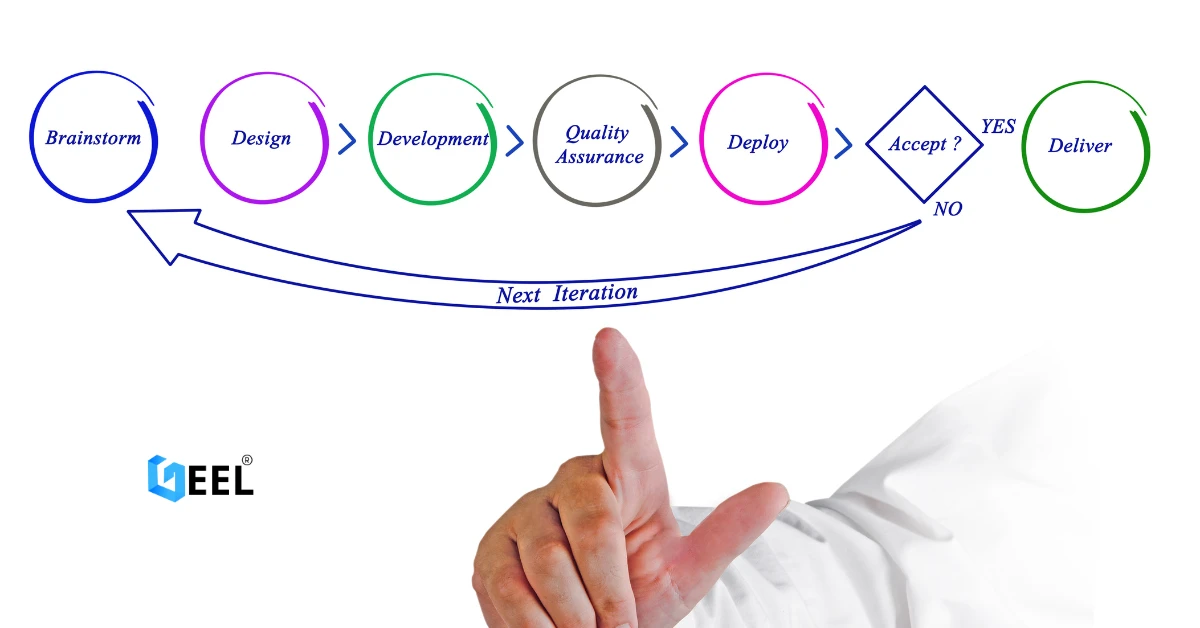
Discovery and requirements
-
Define users, roles, and the core flow
-
Decide MVP vs Phase 2
-
Identify integrations (payments, maps, CRM/ERP, notifications)
UX/UI design
-
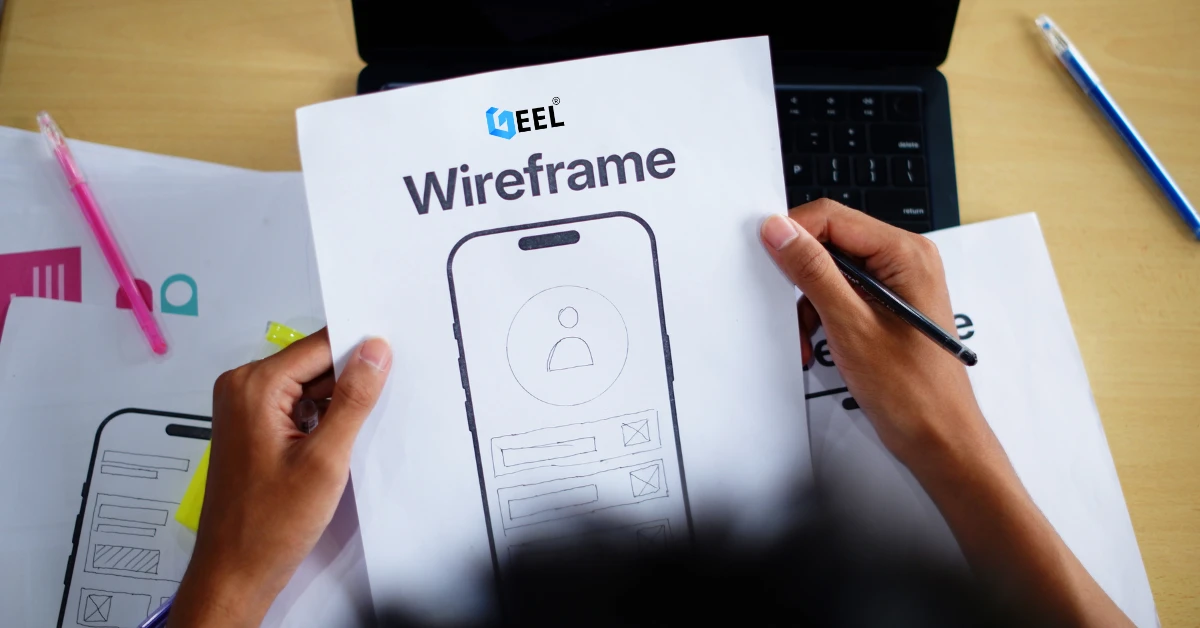
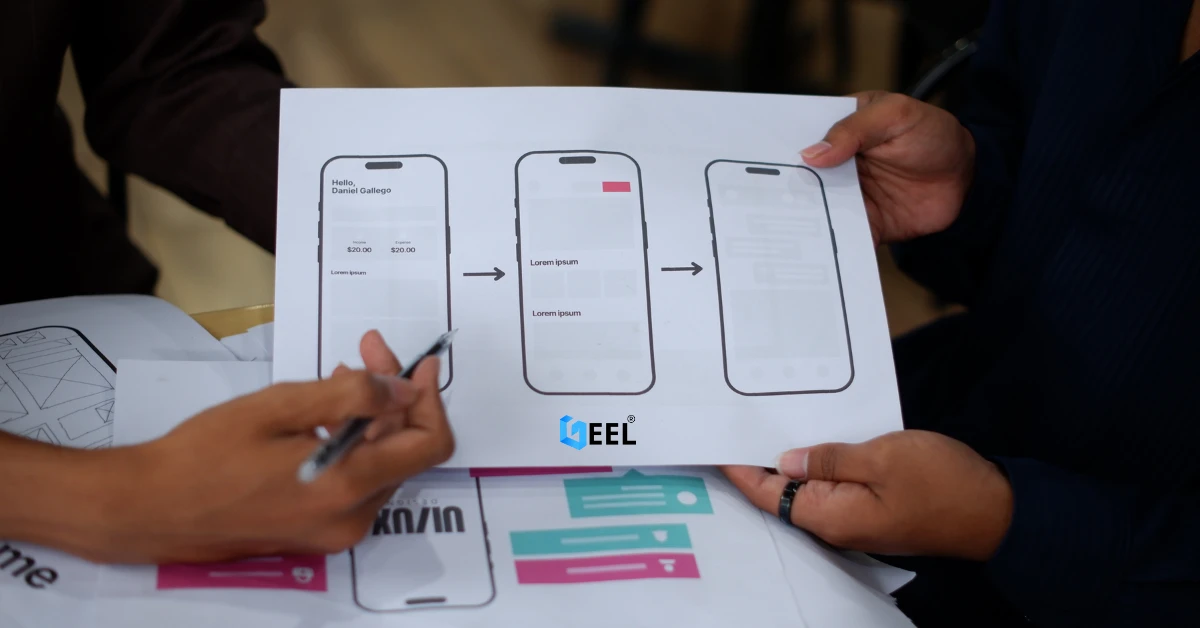
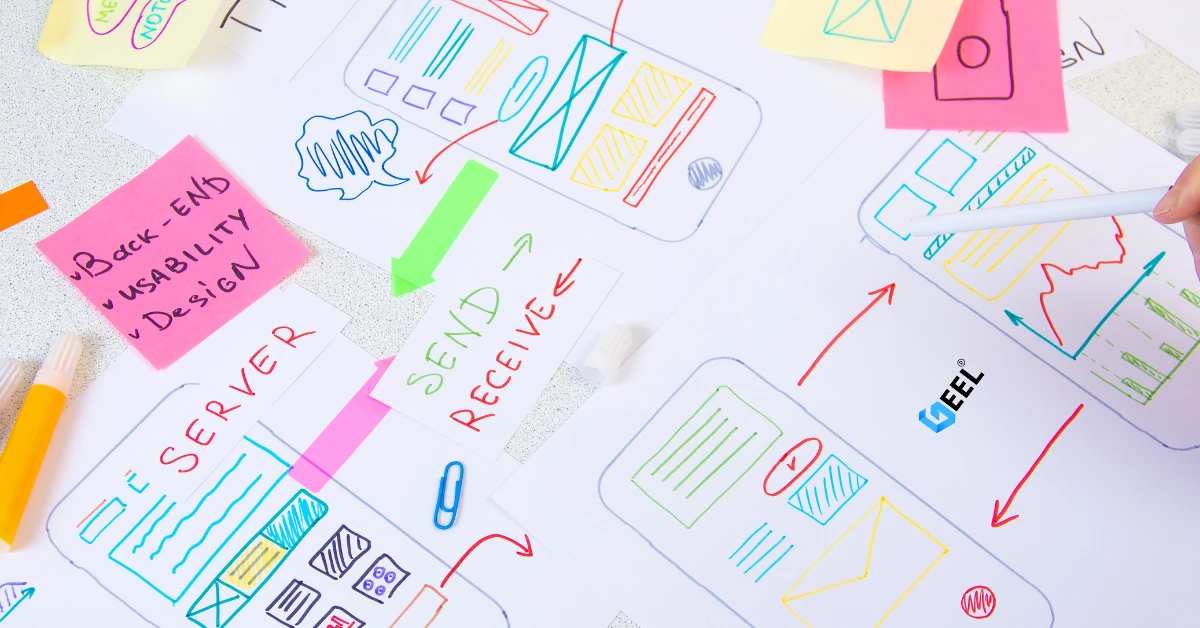
User flows → wireframes → clickable prototype
-
Mobile-first screens (Android/iOS)
-
States defined: loading, empty, error, success
Architecture and build
-
Backend APIs + database
-
Mobile app development (native or cross-platform)
-
Admin dashboard if operations are involved
QA testing and release readiness
-
Functional testing of the full flow
-
Payment failure/refund cases (if payments exist)
-
Device testing (multiple Android models + iPhones)
-
Performance and crash testing
Launch and post-launch iteration
-
Monitor crashes and drop-offs
-
Fix critical issues quickly
-
Improve based on analytics and user feedback
Deliverables you should expect from a strong mobile team
Product and design deliverables
-
User flows + scope document (MVP + later phases)
-
High-fidelity UI screens and component kit
-
Clickable prototype (for validation)
Technical deliverables
-
API documentation (endpoints, auth, webhooks if needed)
-
Database model (entities + relationships)
-
Deployment notes (environments, secrets, monitoring)
Quality and operations deliverables
-
Test plan + UAT scenarios
-
Release checklist + versioning approach
-
Basic analytics events (funnel tracking)
KPIs that prove the project is working
Pick a small set of measurable KPIs tied to your business goal:
Product KPIs
-
Activation rate (users who complete the first core action)
-
Conversion rate (order/booking/payment completion)
-
Retention (users who come back)
Technical KPIs
-
Crash-free sessions rate
-
App load time and screen performance
-
API error rate and latency
Operations KPIs (if you have admin workflows)
-
Time to fulfill an order/request
-
Cancellation/refund reasons
-
Support tickets per 1,000 users
Checklist: how to choose the right mobile app development company (Jordan & GCC)
Portfolio fit
-
Similar apps (delivery, booking, e-commerce, dashboards)
-
Evidence of clean UX and real flows (not just pretty screens)
Process clarity
-
Can they explain scope, MVP, and milestones clearly?
-
Do they plan QA, device testing, and post-launch support?
Integration experience
-
Payments, maps, notifications, ERP/CRM connections
-
Understanding of server-to-server confirmation (webhooks)
Security and reliability mindset
-
Role-based access, token handling, audit logging
-
Clear approach to privacy and data protection
Communication and ownership
-
One accountable PM/contact
-
Predictable review cycles and progress reporting
-
Strong documentation habits
Common mistakes (and how to avoid them)
-
Building too many features before validating the core loop → ship an MVP first
-
Ignoring admin/operations tools → operations become chaotic
-
Weak payment confirmation → always confirm server-to-server
-
Testing on only one phone → Android variety needs real coverage
-
No maintenance plan → apps degrade with OS and dependency changes
FAQ
Do “leading” teams always build custom?
Not always. If workflows are standard, off-the-shelf can be enough. Custom is most valuable when differentiation, integration, and control matter.
Should we build native or cross-platform?
Cross-platform can speed delivery; native can help with deep device features and maximum control. The right choice depends on scope and constraints.
Do we need a backend?
If you have users, orders, payments, roles, reporting, or admin operations—yes, you’ll need APIs and a database.
What should we launch first?
A focused MVP that completes one full journey: request → fulfill → confirm, with monitoring and basic analytics.
Conclusion
Leading mobile app development teams aim for measurable outcomes: clear user value, stability, security, scalability, and maintainability—delivered through a disciplined process and validated with real KPIs.
Related internal link
Mobile App Development in Jordan & GCC