


 GeelTech, Wakalat Street, Amman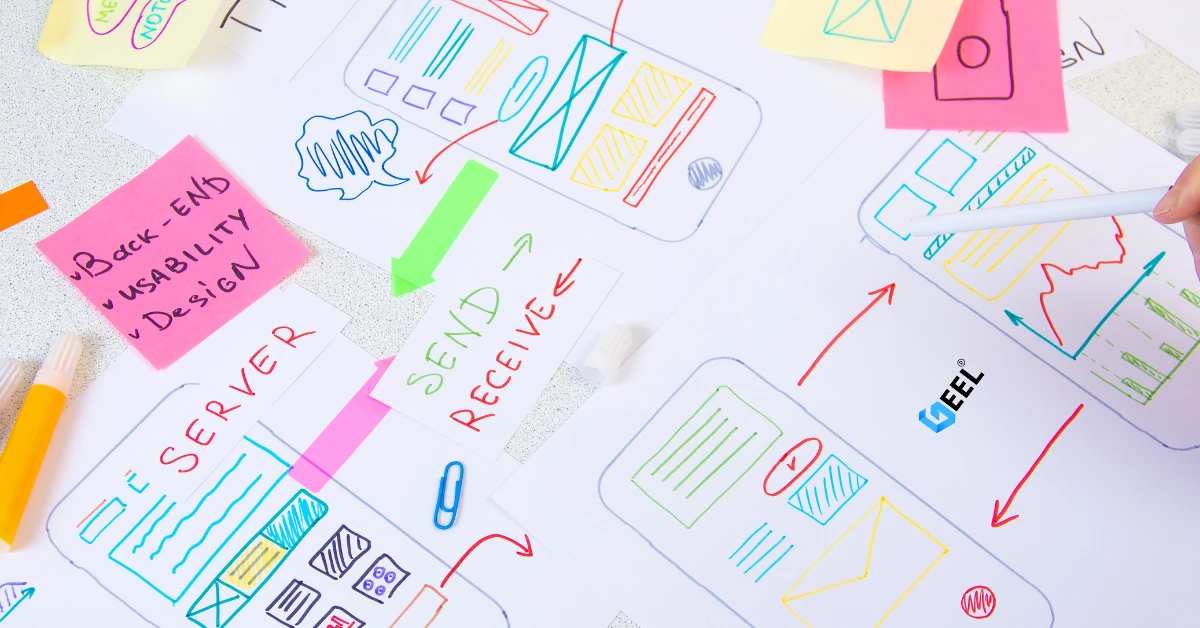

The 5 Most Important Processes Performed by Mobile App Development Experts is a practical guide for businesses in Jordan and the GCC that explains the core steps behind successful mobile apps—without sales language—plus the extra processes that often decide quality (testing, security, launch, and maintenance).
What you’ll learn in this guide
-
The five core processes mobile experts follow
-
What deliverables to expect at each step
-
Common mistakes that delay apps or increase costs
-
A quick checklist for MVP, QA, launch, and maintenance
-
FAQs
Process 1: Define the concept and build a plan
What this step achieves
This step turns an idea into a structured plan with clear scope and priorities.
Key questions (concept checklist)
-
What problem does the app solve?
-
Who is the primary user and what is their main goal?
-
What is the core flow (the one journey users must complete)?
-
What features are must-have vs phase 2?
-
What does success look like (KPIs)?
-
What constraints exist (time, budget, integrations, compliance)?
Deliverables you should expect
-
MVP scope (must-have list)
-
Phase 2 backlog
-
Basic user roles (user/admin/provider/driver/merchant…)
-
High-level timeline and milestones
Process 2: Define goals and measurable KPIs
Why this matters
Many apps fail because the team builds features without clear outcomes.
Example KPIs
-
Activation rate (users who complete the first key action)
-
Conversion rate (order/booking/payment completion)
-
Retention (users return after day 1 / week 1)
-
Operational KPIs (delivery time, cancellation rate, ticket volume)
Deliverables you should expect
-
KPI list mapped to business goals
-
Event tracking plan (what to measure inside the app)
Process 3: Market and competitor research
What experts analyze
-
What similar apps exist and what do users complain about?
-
Which features are “table stakes” vs differentiators?
-
What pricing/monetization models exist (if relevant)?
-
What user expectations exist in your market (Jordan & GCC often mobile-first)?
Deliverables you should expect
-
Competitor summary (strengths/weaknesses)
-
Feature prioritization based on real market signals
-
Differentiation angle (why users choose you)
Process 4: Choose the right platform and architecture
Platform options
-
Android only
-
iOS only
-
Cross-platform (one codebase for both)
Decision checklist
-
Where are your users most active?
-
Do you need deep hardware features (camera, Bluetooth, background tasks)?
-
What is your timeline and budget?
-
What level of performance is required?
-
Do you need admin dashboards and backend services?
Deliverables you should expect
-
Platform decision + justification
-
High-level architecture plan (mobile + backend + admin, if needed)
Process 5: UX/UI design and prototyping (before full build)
Why experts do this early
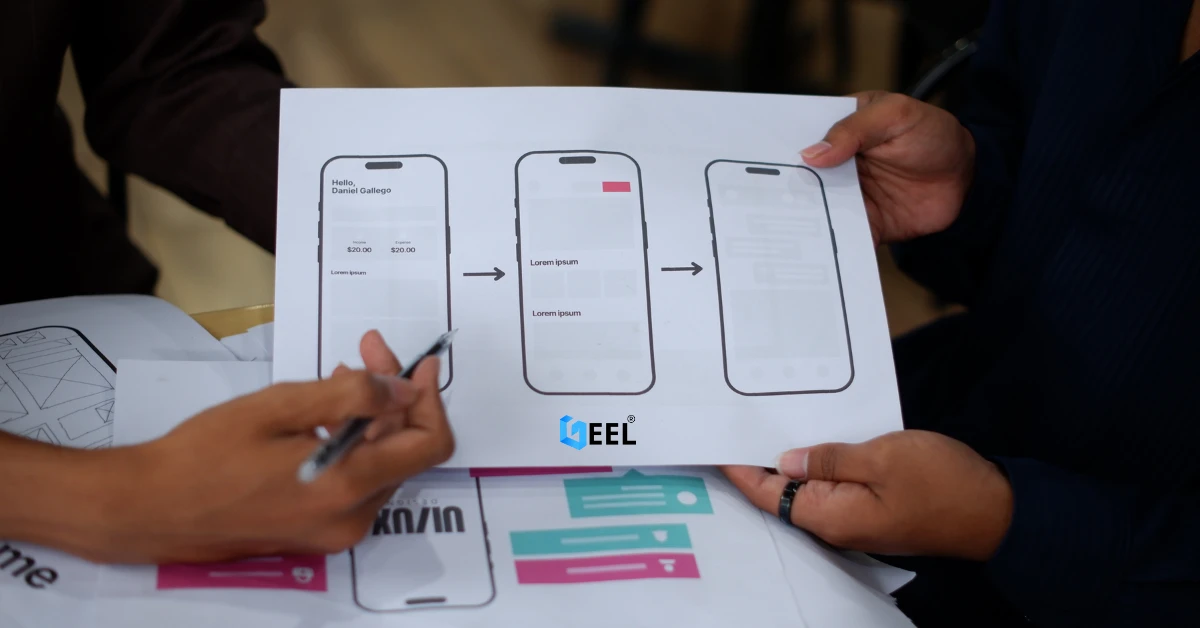
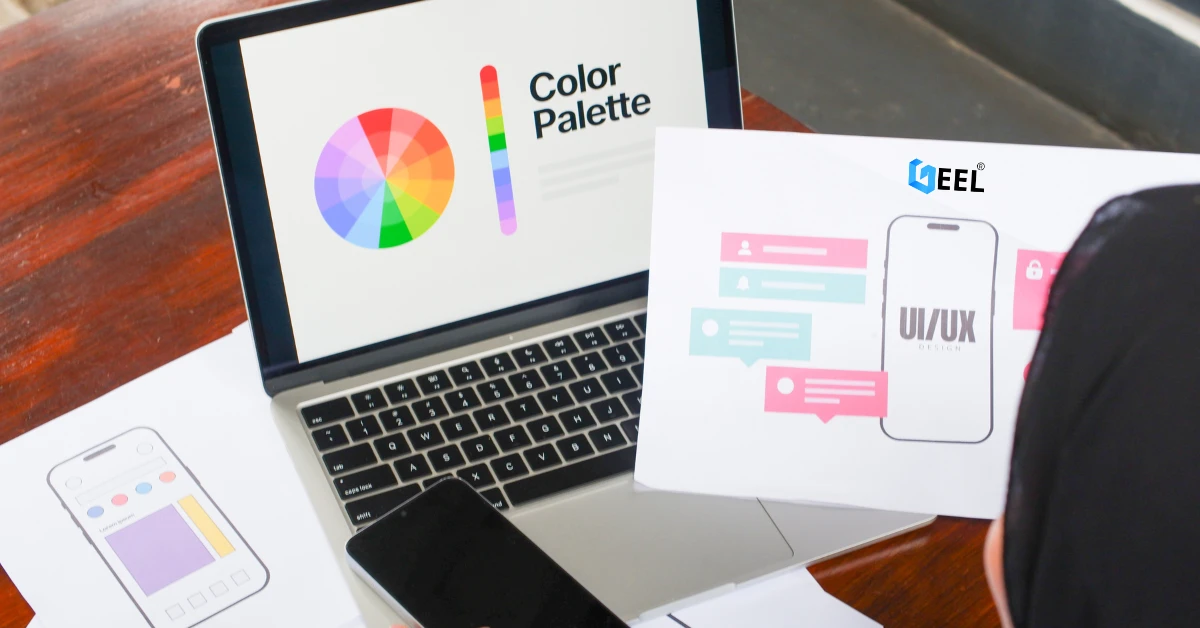
UX/UI decisions define the app’s success more than the tech stack. Prototyping prevents expensive rework.
UX/UI checklist
-
User flows for the main journey
-
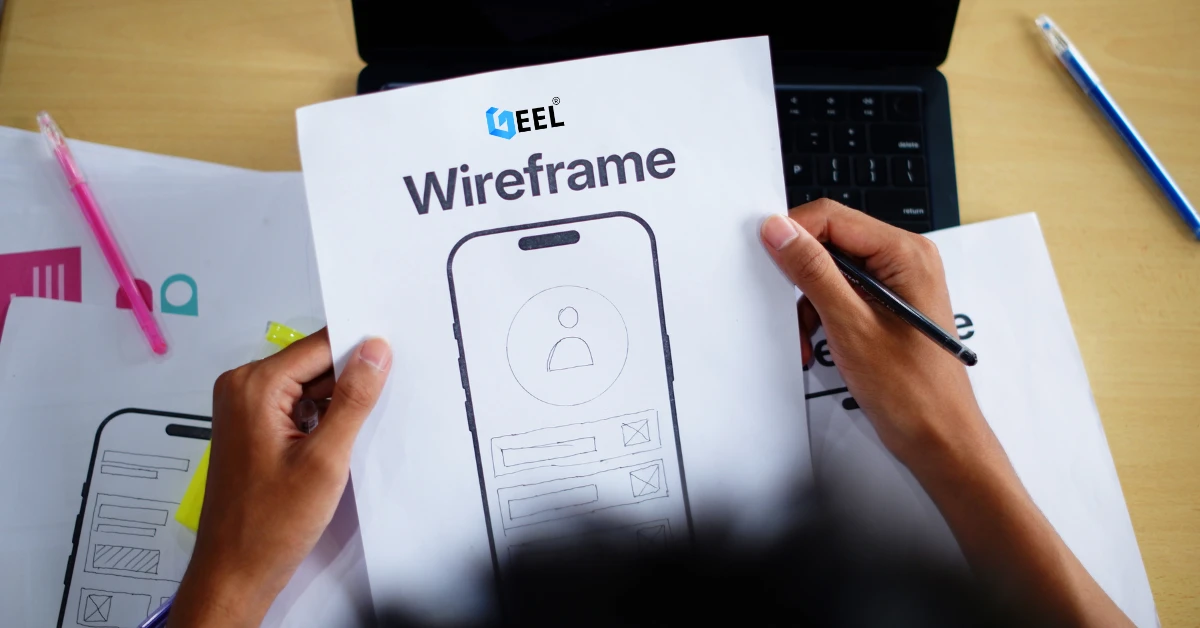
Wireframes for key screens
-
Clickable prototype (to validate the flow)
-
Defined states: loading, empty, error, success
-
Mobile-first usability (tap targets, short forms, clear navigation)
Deliverables you should expect
-
Figma prototype
-
UI kit/components (buttons, inputs, cards)
-
Handoff notes for developers
Extra processes that separate good apps from “unfinished” apps
Testing and QA (non-negotiable)
What to test
-
Core flow end-to-end (including edge cases)
-
Performance (slow devices, weak internet)
-
Device coverage (multiple Android models + iPhones)
-
Payment scenarios (success/failure/refund) if applicable
Security and data protection
-
Secure authentication and token handling
-
Role-based access for admin/staff apps
-
Secure APIs and server-side validation
-
Audit logs for sensitive actions (where needed)
Launch and post-launch readiness
-
Store listing assets and compliance checks
-
Monitoring (crashes, latency, errors)
-
Hotfix plan and release rhythm
-
Maintenance plan (OS updates, dependency updates)
Common mistakes (and how to avoid them)
-
Building too many “nice-to-haves” before MVP → keep scope tight
-
Skipping prototyping → leads to costly UX rework
-
Underestimating QA and device testing → “works on my phone” fails
-
Weak payment confirmation → use server-to-server verification (webhooks)
-
No admin tools → operations become chaotic
-
No maintenance plan → apps degrade quickly over time
FAQ
Do mobile app experts always code?
Not always. Strong teams include specialized roles: product/analysis, UX/UI, mobile dev, backend dev, QA, and DevOps—each contributes differently.
What’s the best first version to launch?
An MVP that completes one full journey: request → fulfill → confirm, with basic analytics and admin visibility (if needed).
Should I build native or cross-platform?
Cross-platform can speed delivery; native offers maximum platform control. The right choice depends on your features, performance needs, and timeline.
Conclusion
Mobile app development experts succeed by following a disciplined process: planning, measurable goals, market research, platform decisions, and UX/UI prototyping—then supporting it with strong QA, security, and post-launch maintenance.
Related internal link
Mobile App Development in Jordan & GCC