



 GeelTech, Wakalat Street, Amman
Royal Archive System Recovery and Database Restructuring
Royal Archive System Recovery and Database Restructuring was the focus of an emergency engineering project delivered by GeelTech for the Royal Documentation Center of the Hashemite Royal Court in Amman, Jordan. The project addressed a critical operational crisis involving a legacy digital archiving system that had lost technical support, placing access to valuable historical records at serious risk.
The challenge extended beyond routine software maintenance. The institution depended on an aging archive management platform developed by an external provider that had unexpectedly discontinued support. As technical problems escalated, the organization faced restricted access to historical records, difficulties managing its archive, and the potential loss of irreplaceable data.
Within 7 to 10 days of intensive engineering work, GeelTech analyzed the existing software architecture, addressed technical obstacles, repaired and restructured the archive database, and restored system stability.
The intervention successfully recovered 100% of the data identified as at risk within the project scope, demonstrating how targeted database recovery, legacy software troubleshooting, and structured engineering intervention can help protect critical digital assets without necessarily replacing an entire system.
Project Overview: Royal Documentation Center
-
Client: Hashemite Royal Court – Royal Documentation Center
-
Location: Amman, Jordan
-
Industry: Government and Historical Documentation
-
Project Type: Emergency System Recovery and Database Restructuring
-
Duration: 7–10 Days
-
Core Challenge: Legacy archiving system instability and threatened access to historical data
-
Key Outcome: 100% recovery of at-risk data within the project scope and restoration of system stability
The Royal Documentation Center relies on historical information and documentation as essential institutional resources.
Digital archiving systems play a critical role in organizing, maintaining, and retrieving these records. When such a system becomes unreliable, the consequences can extend beyond technical inconvenience to affect the institution's ability to perform its documentation and information management responsibilities.
GeelTech's involvement focused on understanding the existing system, addressing the immediate technical crisis, and restoring access to historical information through a concentrated engineering intervention.
The Challenge: A Legacy Archiving System Facing Critical Failure
Unexpected Loss of Technical Support
The Royal Documentation Center operated an established electronic archiving system originally developed by an external software provider.
When that provider unexpectedly discontinued technical support, the institution was left facing increasingly difficult software and operational problems without access to its original development team.
This created an especially challenging situation because the existing system contained historical information that remained important to the center's operations.
Without adequate support, addressing software failures, maintaining database functionality, and making necessary changes became significantly more difficult.
Historical Records at Risk
The greatest concern was not simply whether the application would continue functioning.
It was whether the institution could reliably access, manage, and preserve the historical data stored within its archive.
Unlike ordinary operational records, some historical documents cannot easily be recreated if lost.
An inaccessible archive can disrupt documentation activities, limit the availability of institutional knowledge, and expose the organization to substantial operational risks.
The emergency therefore required a solution that prioritized historical data recovery, database integrity, and restoration of archive accessibility.
Technical Complexity of a Third-Party Legacy System
Taking responsibility for software built by another provider introduces additional challenges.
The incoming engineering team must understand an unfamiliar architecture, identify the causes of instability, and determine which components can safely be repaired.
Legacy software systems may also contain technical dependencies or structural limitations that complicate troubleshooting.
For GeelTech, the immediate priority was to analyze the existing platform and determine how to restore its functionality without introducing unnecessary changes that could increase the risk to historical data.
The Solution: Emergency Database Recovery and Legacy System Restoration
GeelTech deployed an engineering team to address the crisis through a focused recovery process.
Rather than immediately recommending a complete replacement, the team concentrated on understanding the existing system, identifying the underlying problems, and implementing the repairs necessary to restore access to the archive.
The intervention followed four major stages.
Stage 1: Legacy Software Architecture Assessment
The first stage involved a comprehensive technical review of the existing archiving system.
GeelTech's engineering team examined the software architecture to understand how the platform operated and identify the obstacles affecting its stability.
This assessment provided the foundation for determining the required corrective actions.
When dealing with aging applications, architecture analysis is essential because technical problems may originate from interconnected components rather than a single visible error.
A structured assessment helps engineers distinguish between immediate failures and broader architectural limitations.
This approach also reduces the risk of making unnecessary modifications before the underlying system behavior is understood.
Stage 2: Resolving Legacy System Obstacles
After reviewing the architecture, GeelTech addressed the technical barriers preventing effective maintenance and recovery of the existing platform.
The absence of the original development company's support made it necessary to work directly with the available system components and identify practical solutions to the operational problems.
This phase highlighted an important reality for organizations dependent on third-party applications: losing the original software vendor does not automatically mean that the system must be abandoned.
With appropriate technical access and a detailed engineering assessment, another qualified development team may be able to diagnose and repair an existing application.
However, the feasibility of such work always depends on the software's technical condition, available access, and the nature of the underlying problems.
Stage 3: Archive Database Repair and Restructuring
The archive database was central to the recovery effort.
GeelTech carried out database repairs, restructuring, and improvements to address the issues affecting access to the stored historical information.
The objective was to restore the threatened records while improving the stability of the existing platform.
Database restructuring can play an important role in legacy system recovery when structural or operational problems interfere with reliable data access.
Unlike simply restarting a failed application, database-level intervention requires careful consideration of how information is stored, organized, and accessed.
In this project, the work focused on restoring the affected archive database and supporting the continued use of the institution's existing documentation platform.
Stage 4: Restoring Archive Access and System Stability
Following the engineering assessment, technical repairs, and database restructuring, GeelTech restored access to the historical information identified as at risk.
The team also succeeded in bringing the existing archiving system back to stable operation within the project's recovery scope.
The entire intervention was completed during an intensive period of approximately 7 to 10 days.
This result demonstrated the value of clear technical priorities, a focused engineering response, and an informed understanding of the system being repaired.
Project Results: Historical Data Recovered in Just 10 Days
The emergency intervention achieved measurable results for the Royal Documentation Center.
100% Recovery of At-Risk Historical Data
GeelTech successfully recovered all historical data identified as threatened within the scope of the recovery project.
The intervention prevented the loss of the affected records, which were particularly important because of their historical significance and the difficulty of replacing them.
This was the project's most important outcome.
Legacy Archiving System Restored
Rather than requiring an immediate full platform replacement, GeelTech repaired and restored the existing archive system.
The intervention enabled the institution to resume using its established platform and regain access to the affected information.
Database Structure Repaired and Improved
The team completed database repair and restructuring work, addressing problems that had contributed to the operational crisis.
These improvements supported the restoration of archive accessibility and system stability.
Emergency Response Completed Within 7–10 Days
Despite the technical complexity and the lack of support from the original provider, GeelTech completed the concentrated recovery intervention in less than two weeks.
The short response period helped limit the duration of the operational disruption.
Institutional Access to Historical Records Restored
The project restored the center's ability to access and manage the historical information involved in the incident.
Beyond the technical recovery itself, this outcome supported the continuity of the institution's documentation activities.
The Business and Institutional Impact
The significance of this project extends beyond repairing an old software application.
For institutions responsible for historical documentation, information accessibility and preservation are essential operational requirements.
A software failure that prevents access to archived records can disrupt institutional workflows and threaten the availability of information that may have long-term historical value.
By restoring the existing platform and recovering the affected data, GeelTech helped the Royal Documentation Center overcome an immediate operational crisis.
The project also illustrates why organizations should regularly evaluate legacy software dependencies, technical support arrangements, and database recovery readiness.
While this intervention successfully restored the affected system, long-term operational resilience requires continued maintenance, appropriate backup procedures, and ongoing monitoring.
Why Legacy System Recovery Matters
Many government organizations, enterprises, and established institutions continue to rely on software systems developed years earlier.
Although these platforms may remain central to daily operations, their technical risks can increase when maintenance becomes difficult or original vendors are no longer available.
Common challenges include outdated application structures, limited technical documentation, database accessibility problems, and dependence on specific external providers.
When these issues are ignored, relatively manageable problems can develop into serious operational disruptions.
A professional legacy software assessment can help determine whether an existing system should be repaired, restructured, upgraded, or eventually replaced.
The right decision depends on the system's actual condition rather than its age alone.
For organizations exploring new software platforms or improvements to existing operations, GeelTech also provides Custom Software and Admin Dashboard Development Services.
These services support organizations that require structured business workflows, tailored management platforms, and systems built around their operational needs.
Key Lessons from the Royal Archive Recovery Project
Understand the System Before Replacing It
Not every unstable legacy application requires a complete rebuild.
A detailed technical assessment can reveal whether targeted repairs or restructuring are sufficient to restore reliable operation.
Making this distinction helps organizations choose an appropriate technical path based on evidence.
Treat Historical Data as a Critical Digital Asset
Historical information may be impossible or extremely difficult to recreate.
Institutions should therefore consider data preservation, accessibility, backup readiness, and recovery procedures essential elements of their technology strategy.
Avoid Complete Dependence on a Single Software Vendor
Organizations should maintain suitable arrangements for software ownership, authorized technical access, documentation, and ongoing support.
These measures can make it easier to respond when a development provider becomes unavailable.
Prioritize Business Continuity During Emergencies
During critical software failures, the immediate objective should be to understand the risks and restore essential operations.
Broader improvements can then be evaluated separately once the urgent problem has been addressed.
Plan for Continuous Software Maintenance
Successful emergency recovery does not eliminate the need for future maintenance.
Regular system assessments, software updates, backup verification, and documented recovery procedures remain important for organizations using critical applications.
GeelTech's Experience in Custom Software and System Engineering
GeelTech is a software development company in Amman, Jordan, providing digital solutions for organizations and businesses across Jordan and Saudi Arabia.
Our services include web development, mobile application development, eCommerce platforms, custom systems and admin dashboards, technical SEO, domain and hosting solutions, and smart automation and integrations.
The Royal Documentation Center project demonstrates a different dimension of software engineering: working with an existing system under time-sensitive conditions, understanding its architecture, and implementing targeted technical corrections.
GeelTech's broader project portfolio also includes the development of new operational platforms.
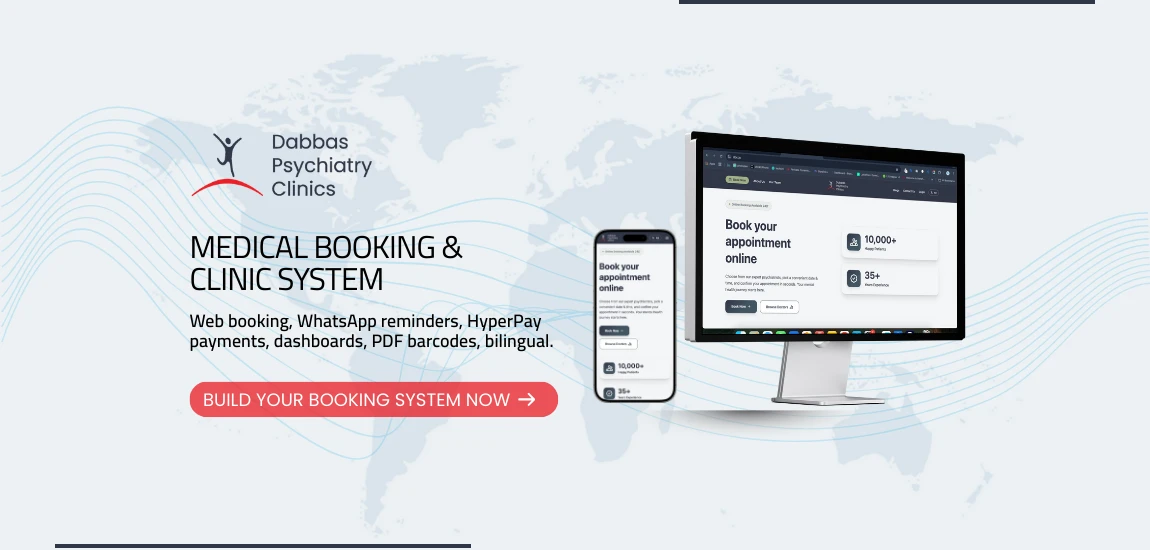
For example, our Medical Appointment Booking System demonstrates how centralized dashboards and digital workflows can help healthcare providers organize appointments, patient information, and administrative processes.
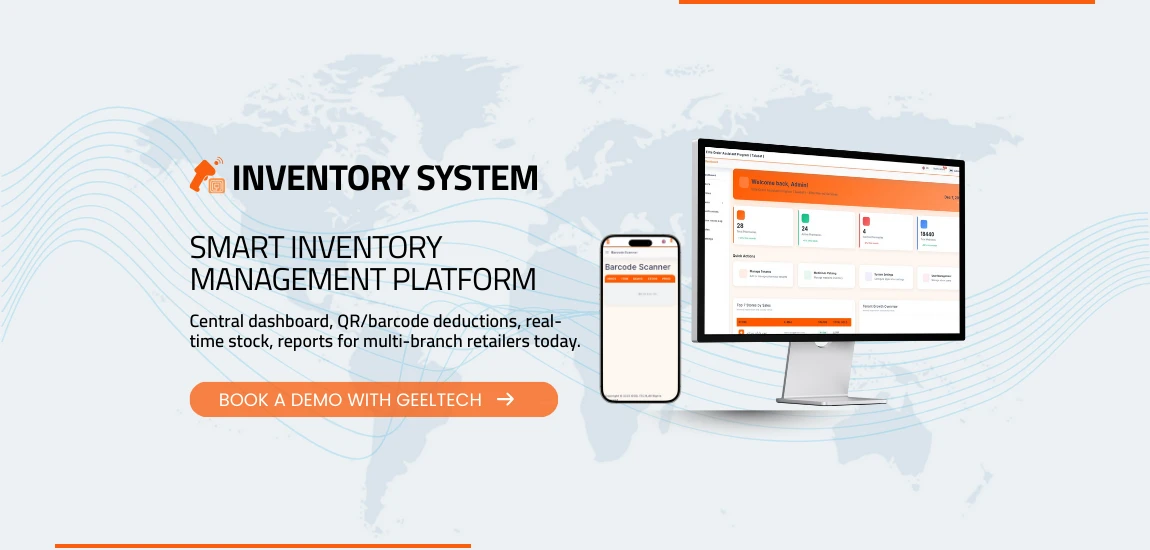
Similarly, the Smart Inventory Management System illustrates the application of custom software to inventory tracking and operational management.
Although each project involves different requirements, the underlying engineering principle remains consistent: understand the problem, define the appropriate scope, and develop a practical technical solution.
Organizations considering a broader digital project can also explore our Software Development Services to understand the solutions available for their needs.
Frequently Asked Questions About Database Recovery and Legacy Software
What is database recovery?
Database recovery is the process of restoring data or access to information that has become unavailable, damaged, or affected by technical failures.
The methods involved depend on the condition of the database, the cause of the issue, and the availability of suitable recovery resources.
Can an outdated software system be repaired without its original developer?
In some cases, yes. An experienced engineering team may be able to analyze the existing architecture and repair the system, provided the necessary technical access and conditions are available.
However, not every legacy application can be recovered successfully.
How did GeelTech recover the Royal Documentation Center's archive?
GeelTech carried out a technical assessment of the existing platform, addressed legacy system obstacles, repaired and restructured the archive database, and restored system stability.
The intervention successfully recovered the data identified as at risk within the project scope.
How long did the Royal Archive recovery project take?
The emergency engineering intervention took approximately 7 to 10 days.
Other database recovery or system repair projects may require different timelines depending on the complexity of the problem and the condition of the affected systems.
What is the difference between database repair and database restructuring?
Database repair focuses on correcting problems that interfere with data availability, integrity, or normal operation.
Database restructuring involves modifying or reorganizing aspects of a database's structure to address technical requirements or improve its suitability for the system.
The two activities may be carried out together when appropriate.
Is it always necessary to replace a failing legacy system?
No. Some systems can be stabilized through targeted repairs, database improvements, or software modifications.
Other systems may require modernization or replacement because of extensive technical limitations. A detailed assessment helps determine the most suitable approach.
How can organizations reduce the risk of historical data loss?
Organizations should maintain reliable backups, test restoration procedures, review technical access arrangements, monitor the health of critical systems, and regularly evaluate software maintenance requirements.
These practices help reduce risk, although no single measure guarantees complete protection.
Can GeelTech assess software developed by another company?
GeelTech can evaluate existing software systems to determine potential options for repair, restructuring, improvement, or further development.
The available options depend on technical access, authorization, the system's condition, and the findings of the initial assessment.
Is Your Legacy Software Putting Critical Business Data at Risk?
An aging software system can continue supporting important operations for years, but unresolved technical problems may eventually affect access to essential information.
Whether your organization is experiencing recurring software failures, database accessibility issues, or difficulties maintaining a system developed by another provider, the first step is a clear technical assessment.
At GeelTech, we help businesses and institutions evaluate software challenges, develop custom systems, and identify appropriate technical solutions based on their operational requirements.
Don't let an unresolved software problem become a critical operational disruption.
Looking for a Reliable Technology Partner?
Tell us about your existing system, database challenges, or upcoming software project. Our team can help you explore the available options and determine an appropriate starting point.
Discuss Your Software Project with GeelTech
GeelTech — Building Reliable Software Solutions for Organizations and Businesses.